The A in ABLE · Accessibility
Access is the starting point for participation.
A person cannot use a right, service or opportunity if barriers make it unreachable or unusable.
What accessibility means
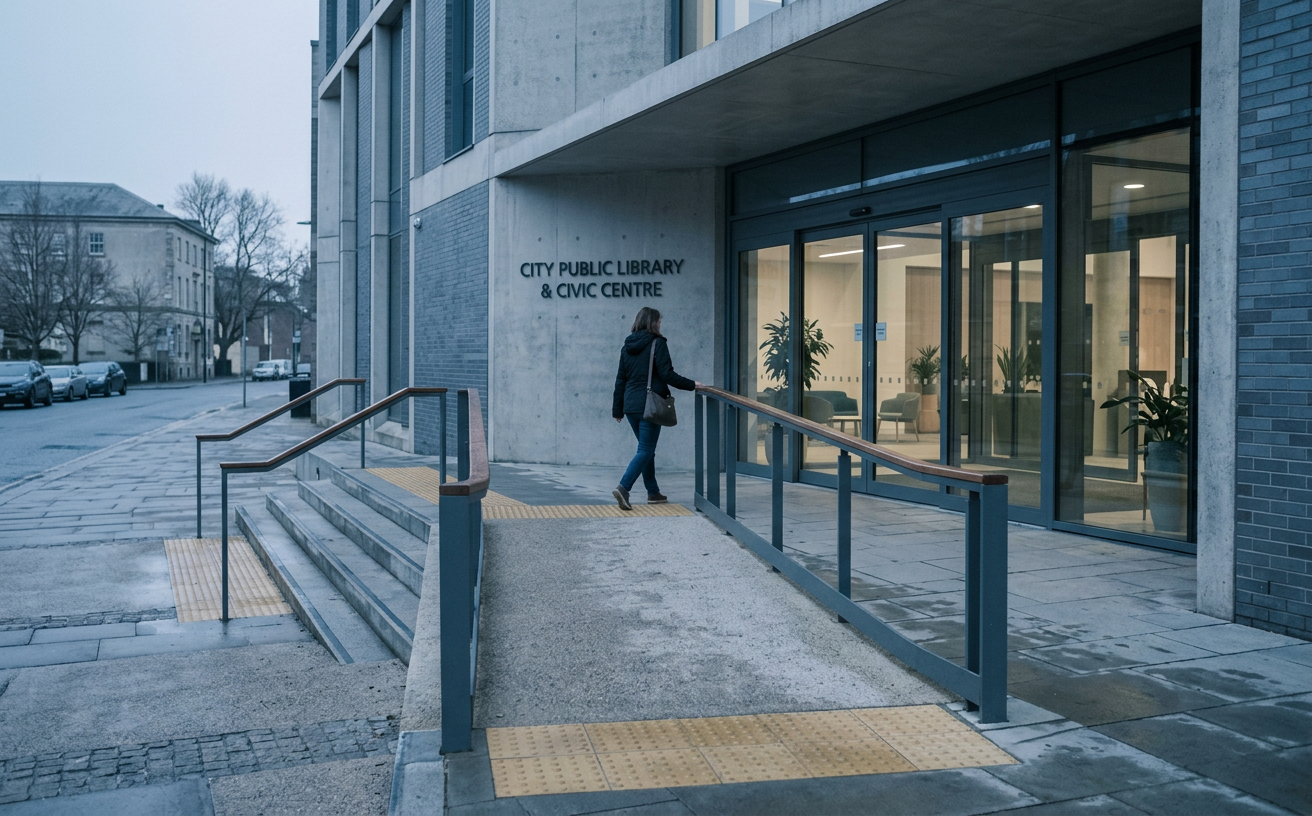
Accessibility means identifying and removing barriers in buildings, transport, information, communication, technology and services. It also means planning for access from the beginning, rather than waiting for someone to encounter a barrier and ask for it to be fixed.
People have different access requirements. Information may need to be available in accessible digital formats, plain language, large print, audio, Braille or sign language. A service may need to offer flexible ways to communicate, participate or receive support.
From access to action
- Ask disabled people what prevents access.
- Provide information in usable formats.
- Make routes, spaces and services easier to navigate.
- Offer adjustments that reflect individual needs.
- Review the result with the people who use it.
Accessibility is not a favour. It is part of making equality and participation possible.