Principles
Four commitments. One shared purpose.
ABLE is built around four connected principles. Each addresses a different part of disability equality; together, they support the conditions for disabled people to live, choose and participate on an equal basis with others.
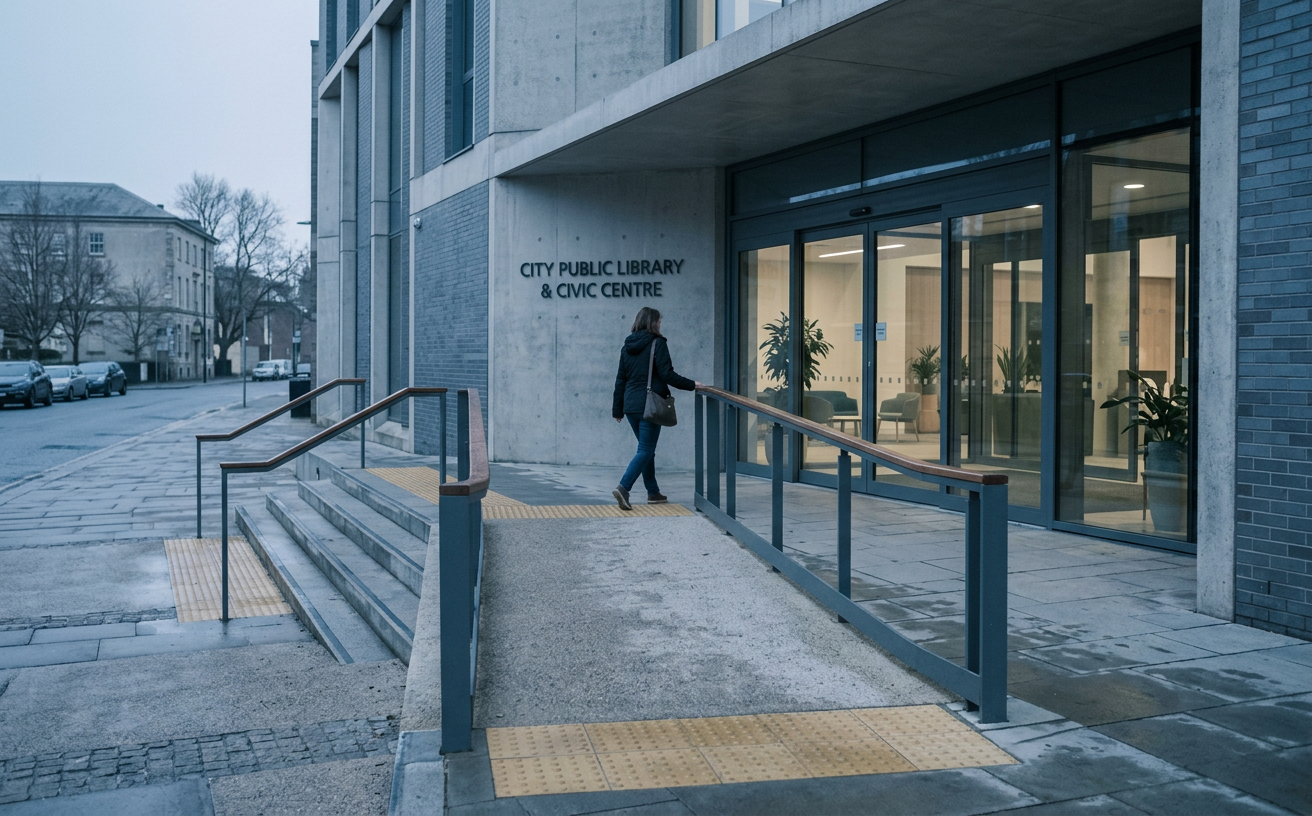
The A in ABLE
Accessibility
Can people reach, understand and use the information, places, services and communication they need?
Accessibility means anticipating and removing barriers across the built environment, transport, information, technology and services. It includes accessible formats and communication, and adjustments that respond to individual requirements.

The B in ABLE
Belonging
Are disabled people welcomed, respected and included as members of the community?
Belonging means more than being present. It means being valued, having choices and relationships, and being able to take part without being treated as an afterthought.

The L in ABLE
Legal equality
Are disabled people recognised and protected as equal rights-holders?
Legal equality means equal recognition before the law, protection from discrimination and access to justice. Rights must be understood and applied in ways that respect disabled people’s dignity, autonomy and choices.
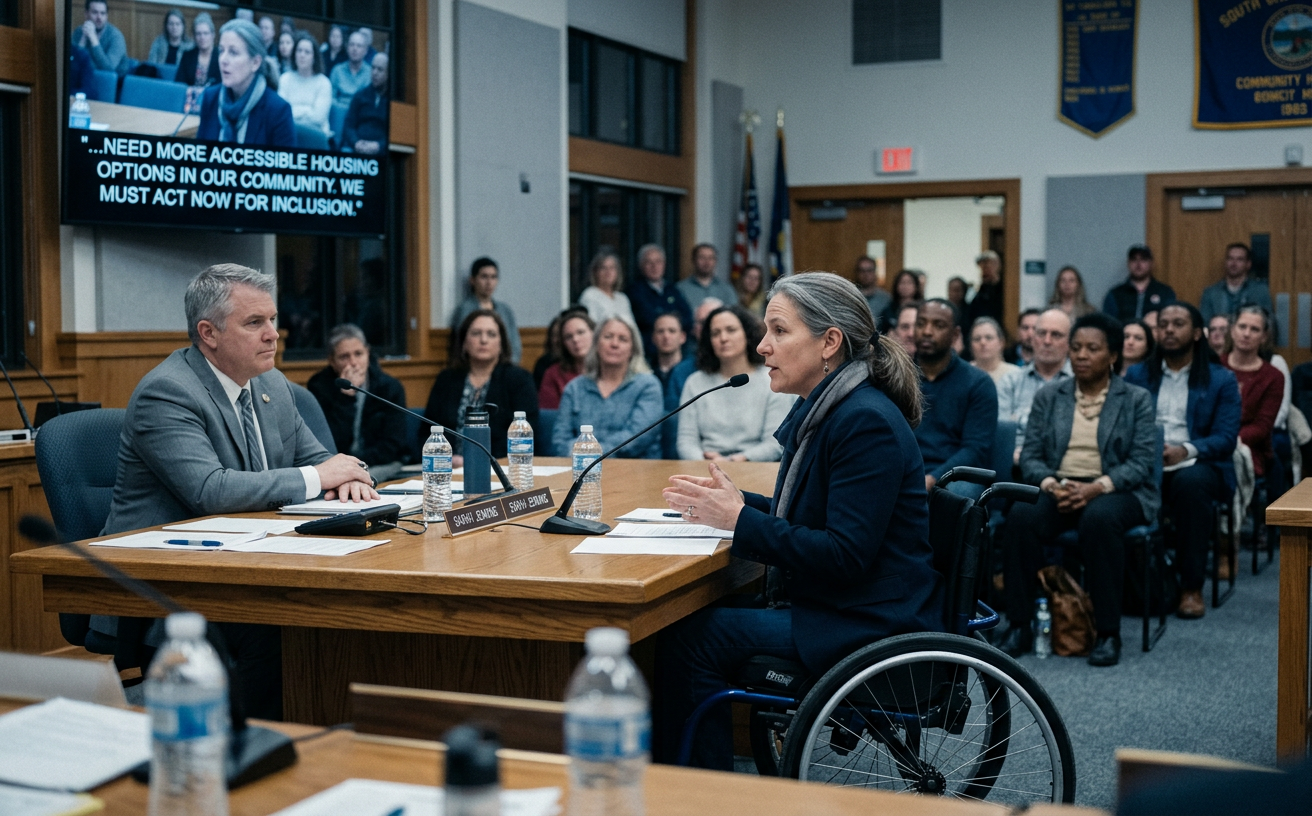
The E in ABLE
Equal participation
Do disabled people have a meaningful role in decisions and in public, social and cultural life?
Equal participation means removing barriers to taking part and ensuring disabled people can influence decisions that affect them. Participation should be accessible, voluntary and meaningful.